Archives
- 2026-10
- 2026-09
- 2026-08
- 2026-07
- 2026-06
- 2026-05
- 2026-04
- 2026-03
- 2026-02
- 2026-01
- 2025-12
- 2025-11
- 2025-10
- 2025-09
- 2025-03
- 2025-02
- 2025-01
- 2024-12
- 2024-11
- 2024-10
- 2024-09
- 2024-08
- 2024-07
- 2024-06
- 2024-05
- 2024-04
- 2024-03
- 2024-02
- 2024-01
- 2023-12
- 2023-11
- 2023-10
- 2023-09
- 2023-08
- 2023-07
- 2023-06
- 2023-05
- 2023-04
- 2023-03
- 2023-02
- 2023-01
- 2022-12
- 2022-11
- 2022-10
- 2022-09
- 2022-08
- 2022-07
- 2022-06
- 2022-05
- 2022-04
- 2022-03
- 2022-02
- 2022-01
The amino hydroxy methyl isoxazolepropionic acid AMPA recept
2024-05-16
The α-amino-3-hydroxy-5-methyl-4-isoxazolepropionic thz1 receptor (AMPA) receptor is also enriched in postsynaptic striatal neurons (Bernard et al., 1997, Kondo et al., 2000, Reimers et al., 2011). Its activity is subjected to the regulation by a mechanism involving phosphorylation (Lu and Roche, 2
The allosteric site of class
2024-05-16
The allosteric site of class C receptors is generally located on the extracellular side of the TM domain (Brauner-Osborne et al., 2007, Christopher et al., 2015, Dore et al., 2014, Gregory et al., 2011, Harpsoe et al., 2017, Kniazeff et al., 2011, Pin and Prezeau, 2007, Urwyler, 2011, Wu et al., 201
PD research involves the use of
2024-05-16
PD research involves the use of many animal models, which can be categorized into two main types: toxic models—among which the two most widely used are the classical 6-hydroxydopamine (6-OHDA) model in rats and the 1-methyl-4-phenyl-1,2,3,6-tetrahydropyridine (MPTP) model in mice and monkeys—and gen
br Roles of apelin and APJ in cardiovascular diseases
2024-05-16
Roles of apelin and APJ in cardiovascular diseases Therapeutic potential of apelin/APJ in cardiovascular diseases Since the apelin/APJ system plays a key role in the occurrence and development of cardiovascular diseases, it seems logical to presume that targeting this axis should be feasible a
APJ receptors have a amino
2024-05-16
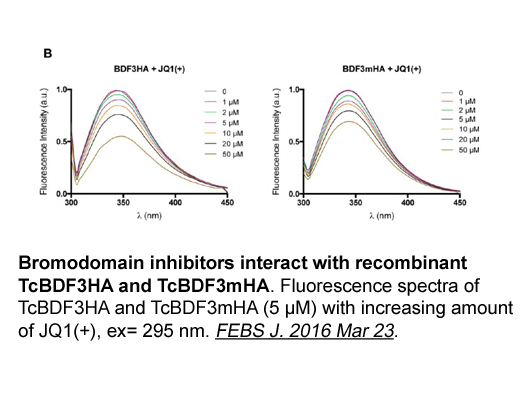
APJ receptors have a 380 amino Q-VD Oph sequence with a characteristic G-protein structure, including seven transmembrane domains and post-translation modification sites for phosphorylation, palmitoylation and glycosylation along with association sites for β-arrestin (O'Dowd et al., 1993). APJ rece
br Experimental section br Introduction NMDA receptor
2024-05-16
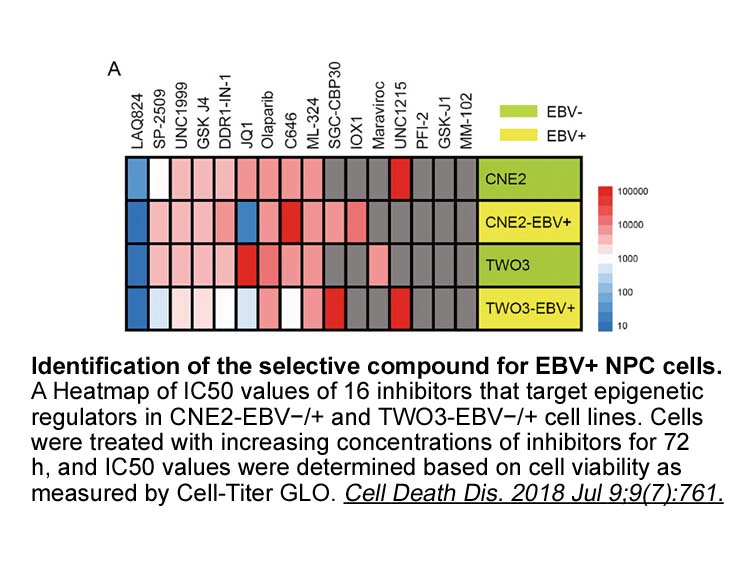
Experimental section Introduction NMDA receptor-induced increases in AMPAR trafficking to the synaptic surface mediates changes in synaptic efficacy in a number of Mizoribine regions (Shi et al., 1999, Sun et al., 2005, Frenkel et al., 2006). While this process has been linked to the regulated
br Perspectives br Acknowledgments This investigation
2024-05-16
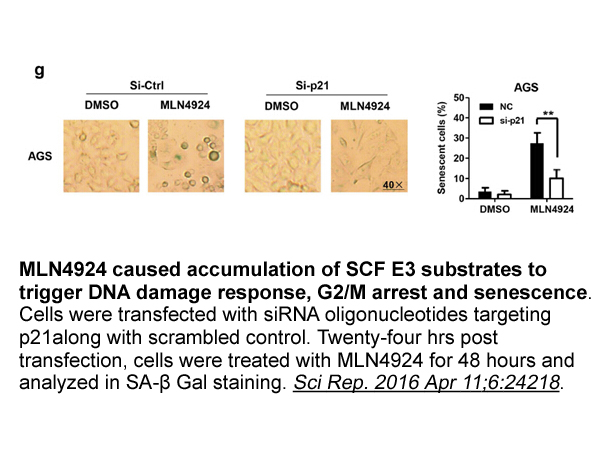
Perspectives Acknowledgments This investigation was supported by a Research Grant 2010/01385-5 from FAPESP (Sao Paulo Research Foundation, Brazil). P.F.S. was recipient of a CNPq (National Council for Scientific and Technological Development, Brazil) productivity grant. R.F.A. was recipient of
caspofungin receptor Aldose reductase AR is an NADPH
2024-05-16
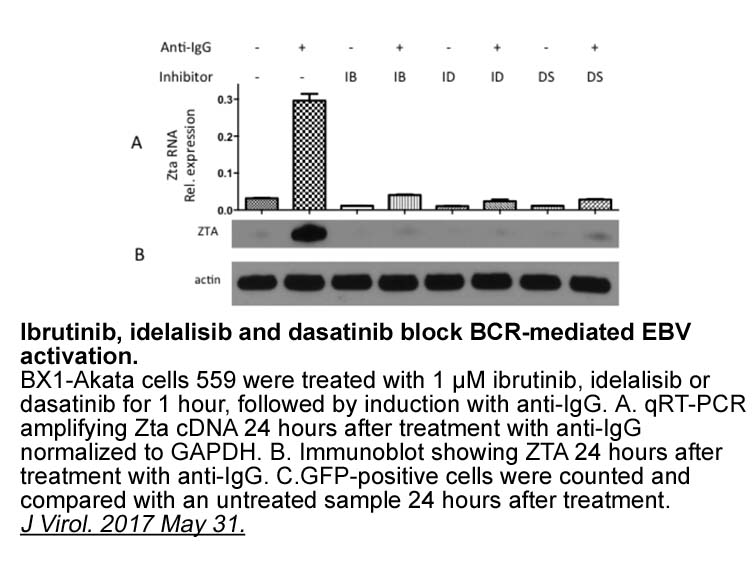
Aldose reductase (AR), is an NADPH-dependent aldo-keto reductase very well studied as a catalyst of glucose conversion to sorbitol in the polyol pathway [11], [12]. In the diabetic lens characterized by chronically high levels of glucose, AR is responsible for production of high levels of sorbitol a
Various compounds have been designed to
2024-05-16
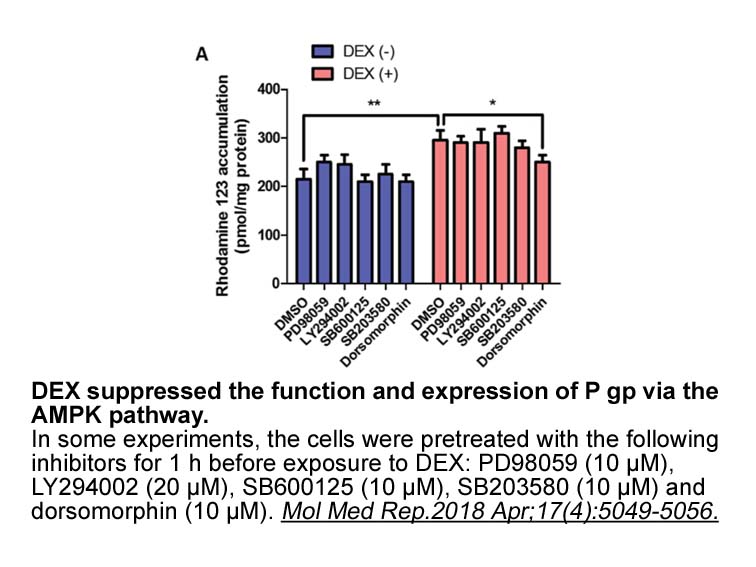
Various compounds have been designed to inhibit aldose reductase (AR) [12]. These compounds can be classified into two main categories, the first category comprises those containing a carboxylic Methscopolamine sale moiety, for example, 3-thiazolidineacetic acid derivative, which has been reported
Ginsenosides are the major bioactive constituents of the Pan
2024-05-16
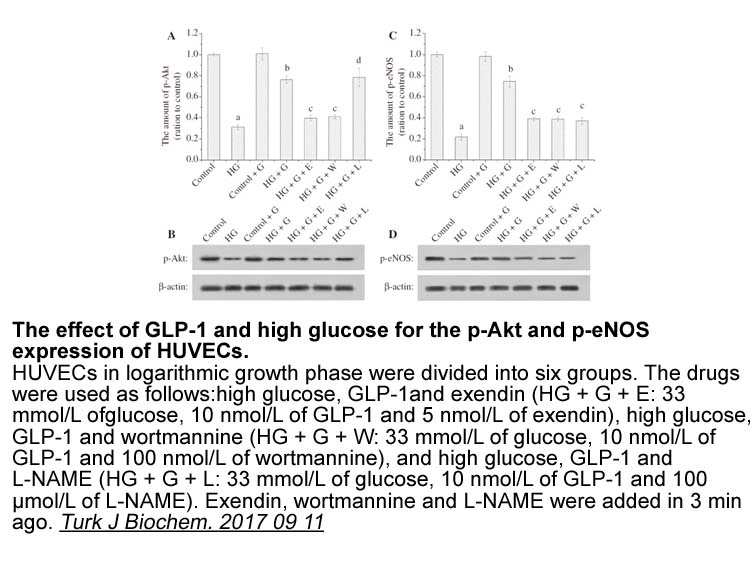
Ginsenosides are the major bioactive constituents of the Panax ginseng root, which contain many types of ginsenosides including Rb1, Rg1, Rc, and Rg3. The ginsenoside Rb1 appears to be the most abundant of the bioactive ginsenosides [15]. Rb1 exhibits antiinflammatory, anticarcinogenic, and antioxid
ACK can be localized to clathrin coated vesicles The associa
2024-05-15
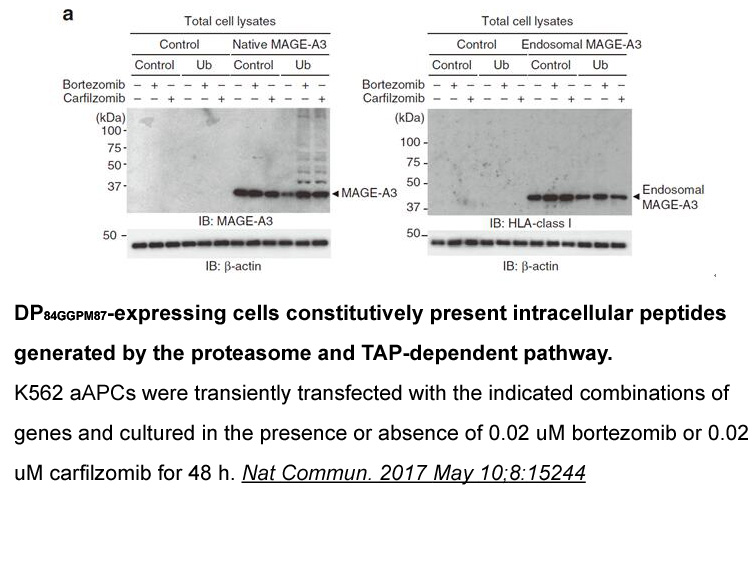
ACK1 can be localized to clathrin-coated vesicles [1]. The association of SNX9 with synaptojanin-1 would suggest the two cooperate during endocytosis at the synapse by coupling the sorting nexin to changes in phospholipid composition. ACK1 in turn negatively regulates the association of SNX9 with ta
Apoptosis or programmed cell death is
2024-05-15
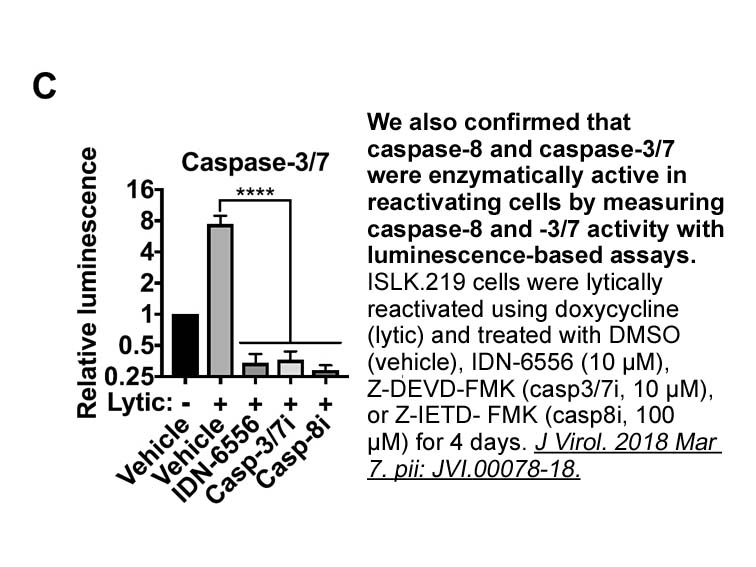
Apoptosis or programmed cell death is a function of biochemical mechanisms, which are energy-dependent. It is considered to be a vital component of many processes such as normal cell cycle, immune mechanism, atrophy, embryonic development and toxin-induced cell death (Elmore, 2007). In addition, apo
The next level of possible correlation and
2024-05-15
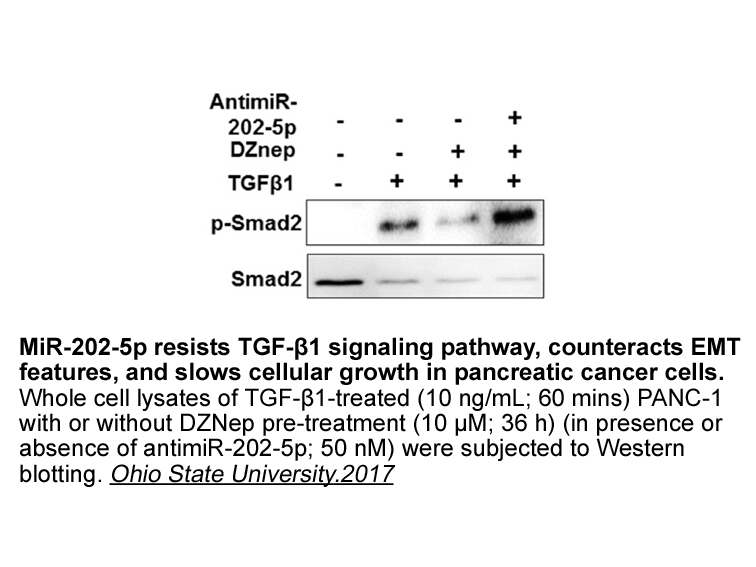
The next level of possible correlation and comparison between the α7 and 5HT3 receptors is at the subunit arrangement and protein folding. Crystal structures of the nicotinic and serotoninergic p-Cresyl sulfate receptors [45], [46] reinforced the concept of similarities between these families of re
In the present study the alternative splicing of several
2024-05-15
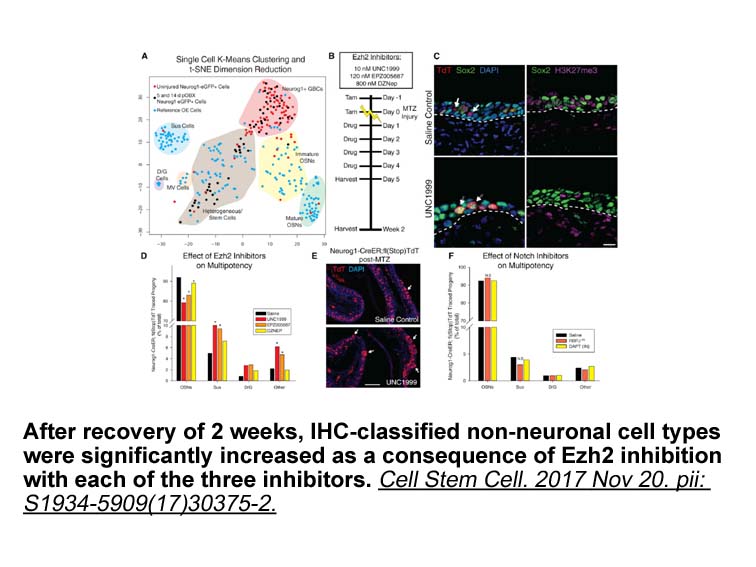
In the present study, the alternative splicing of several nAChR subunits was identified in the oriental migratory locust (Locusta migratoria manilensis Meyen), a serious worldwide pest to agricultural production and also a model insect species [5]. Several α subunits were tried to co-express with ra
br Improvement of endothelial function
2024-05-15
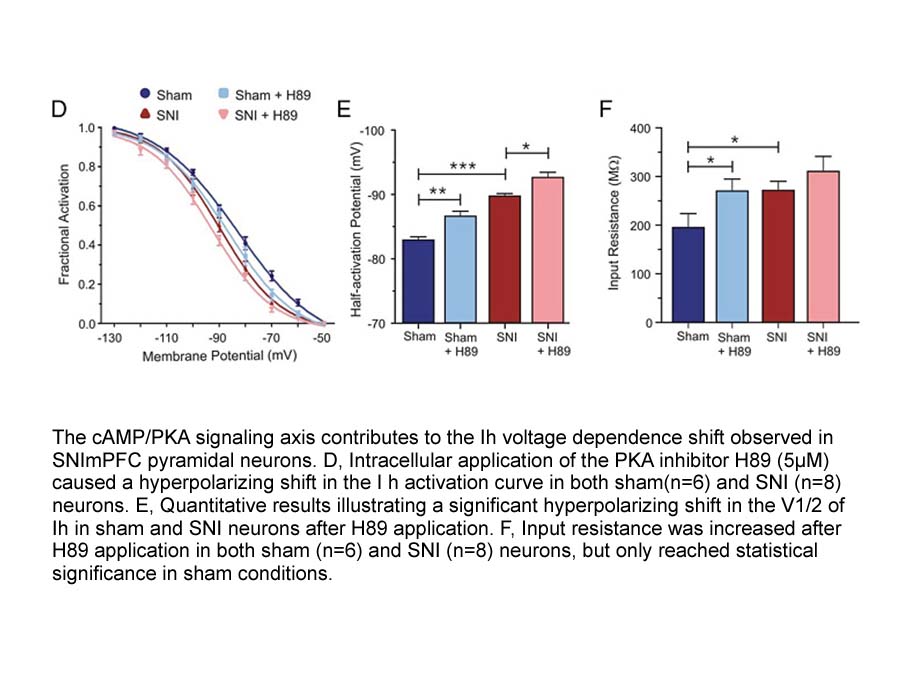
Improvement of endothelial function The vascular endothelium is a single layer of Z-LEHD-FMK that lines the inner surface of all blood vessels and the heart. In addition to function as a selective barrier to prevent the diffusion of macromolecules from the blood lumen to the intestinal space, th
8570 records 181/572 page Previous Next First page 上5页 181182183184185 下5页 Last page